Children's snow eyewear needs more than a smaller frame. Facial proportions, helmet shapes, and the way children adjust straps can affect protection and comfort. Retail buyers should examine these details before approving a product for sale.
When sourcing ski goggles for kids, a clear fit specification is useful. Age labels alone cannot describe face width or helmet compatibility. We recommend checking physical measurements, strap behavior, and wear-test feedback before placing a bulk order.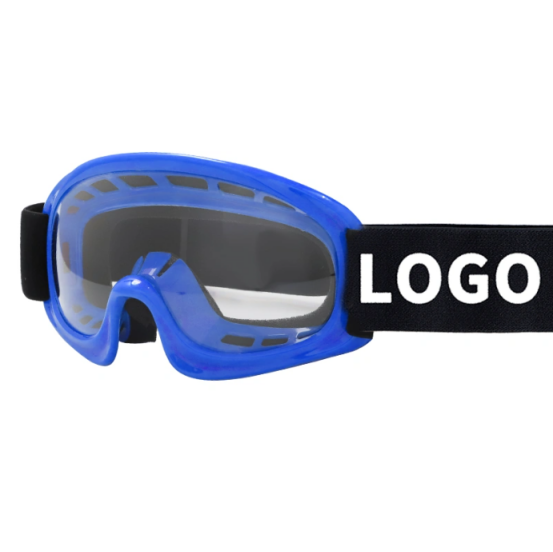
Children of the same age may have different face widths and nose bridges. Age recommendations are therefore only a starting point. Buyers should request frame width, frame height, and usable space around the nose from the supplier.
Fit trials should include children representing the intended size range, under supervision. Observe whether the foam contacts the face evenly. Gaps around the nose or cheeks may allow cold air and snow to enter during movement.
Lens width alone does not describe fit or visibility. Excessively wide frames may press against helmets or sit too low on smaller faces. Record both field-of-view observations and face-contact results for each sample.
Strap quality affects how securely goggles remain positioned. Elastic tension should hold the frame against the face without creating uncomfortable pressure. Buyers should check how easily the strap adjusts and whether it slips after repeated movement.
Examine strap anchors and stitching during sample inspection. Pull testing can reveal weak attachment points, but the method and acceptance criteria should be defined beforehand. Children should not have to struggle with stiff adjusters or loose strap ends.
Helmet use adds another variable. Test the goggles with intended helmet models rather than relying on a general compatibility claim. Watch for straps riding upward, frames being pushed downward, or gaps created by the helmet rim.
For wholesale ski goggles, record these findings in a sample checklist. Front and side photographs can help factories understand requested adjustments. Specific observations are more useful than general comments about comfort.
Face foam should distribute pressure across the forehead, cheeks, and nose. Uneven compression can cause discomfort during longer sessions. Softness matters, but buyers must also check whether the foam retains its shape after repeated use.
Inspect the connection between the foam and frame. Loose edges, uneven application, or exposed adhesive can indicate assembly concerns. Samples should be checked after repeated putting on and taking off, not only when they are new.
Weather conditions also affect comfort. Moisture from snow and perspiration can change how materials feel against the skin. Retailers can collect feedback on foam contact, moisture retention, and drying behavior without treating these observations as laboratory results.
Clear vision remains important for children's snow goggles. Buyers should examine lens material, optical clarity, anti-fog performance, and surface durability. UV protection claims should be supported by appropriate documentation for the selected lens configuration.
Anti-fog treatments help manage condensation, while anti-scratch treatments can reduce susceptibility to minor surface damage. Neither feature eliminates fogging or scratching under every condition. Retailers should explain these functions accurately in product descriptions.
For ski goggles for kids, lens specifications should be reviewed alongside frame construction. Flexible frame materials may support comfortable facial contact, but buyers still need physical samples to assess pressure distribution and fit.
Our YH601A kids' and youths' ski goggles provide an example of eyewear designed around children's facial proportions. The model features a clear PC lens with HD, anti-fog, and anti-scratch functions. Its construction combines a TPU frame with three layers of face foam.
The model also includes a stretchable strap that supports customized logos. Packaging customization is available for retailers developing their own eyewear collections. These options allow businesses to coordinate product presentation with their brand requirements.
At YIJIA Optical, we recommend examining the YH601A sample before confirming specifications for a particular customer group. Buyers should verify frame dimensions, strap adjustment, foam contact, and helmet fit. Product descriptions should reflect confirmed characteristics rather than unsupported age or protection claims.
The approved sample should become a reference for production inspection. Record frame dimensions, strap length and elasticity criteria, foam placement, lens specifications, and packaging requirements. Include photographs where measurements alone cannot describe the expected finish.
Before shipment, inspectors should compare production units with the approved sample. Sampling plans and rejection criteria should be established beforehand. Visual inspection is useful for identifying assembly defects, but it cannot replace relevant optical or product-safety testing.
At YIJIA Optical, we use in-house light-transmission, impact, anti-fog, and tensile testing equipment. We also conduct QC checks before dispatch. Buyers can discuss which tests apply to the chosen configuration and request supporting records where appropriate.
Children's goggles should remain comfortably positioned during intended activities. Facial measurements, supervised fitting trials, strap inspections, and lens documentation provide a practical basis for purchasing decisions. Retailers should also consider how clearly customers can understand the sizing information.
Before confirming ski goggles for kids, prepare a size chart, sample evaluation sheet, and required test documentation. For wholesale ski goggles, apply the approved criteria to production and shipment checks. This approach helps retailers assess product consistency while keeping fit, comfort, and accurate specifications central to purchasing decisions.

